The power of being there
People crave human connection. In an era of screens and scrolls, showing up in person cuts through the noise in a way no campaign ever could.Exhibiting today isn’t just about being seen. It’s about being felt.. Standing in front of your audience, shaking hands, sharing your story face-to-face — that’s how trust and brand recall are built. Exhibitions create a physical moment of focus, where attention and intention align. Visitors aren’t scrolling or multitasking — they’re engaged, curious, and open to conversation. That moment of shared focus builds trust faster and sticks longer than impressions on a screen.
What’s changed
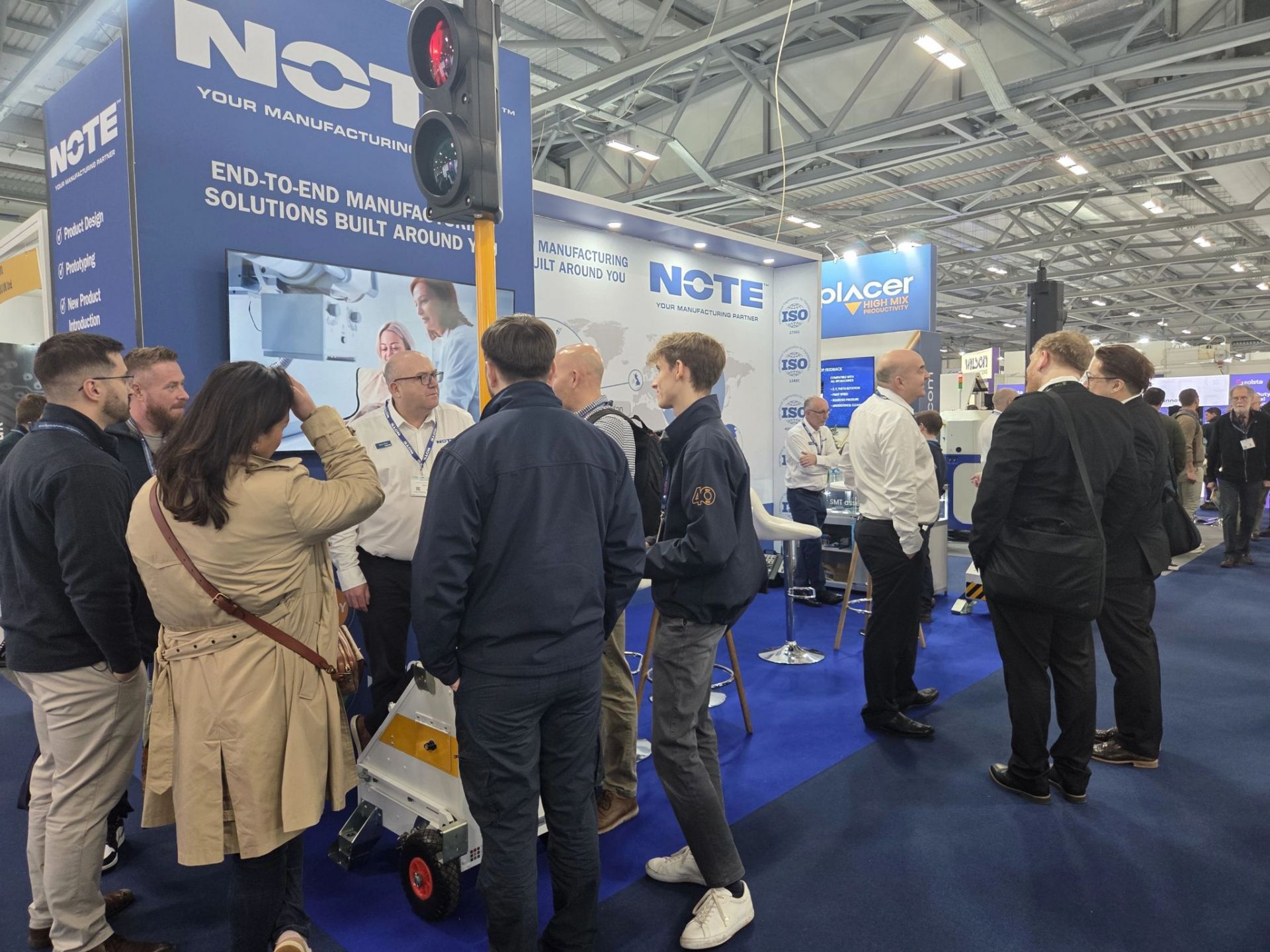
The old exhibition playbook relied heavily on visual noise. Bigger logos. Brighter lights. Flashier giveaways. Modern audiences have moved on. Today’s visitors are more selective, more informed, and more sceptical. They don’t want to be overwhelmed — they want to be understood. Successful exhibitors now prioritise clarity, relevance, and experience over spectacle.Here’s how the landscape has shifted:
- From spectacle to substance: Visitors don’t just want to see your product; they want to understand your purpose.
- From design to experience: Stands aren’t just built for display - they’re designed for flow, storytelling, and conversation.
- From one-off events to ongoing relationships: A good exhibition strategy continues before and after the show. It’s a campaign, not a moment.
Experience beats exposure
Think of your exhibition stand as a small physical extension of your brand’s digital presence. Every detail - layout, lighting, interactivity - should communicate who you are and why you matter. When these details work together, visitors don’t just stop — they engage.And that emotional connection doesn’t end when the show does. It’s what drives follow-ups, referrals, and long-term brand recall.
The role of Technology
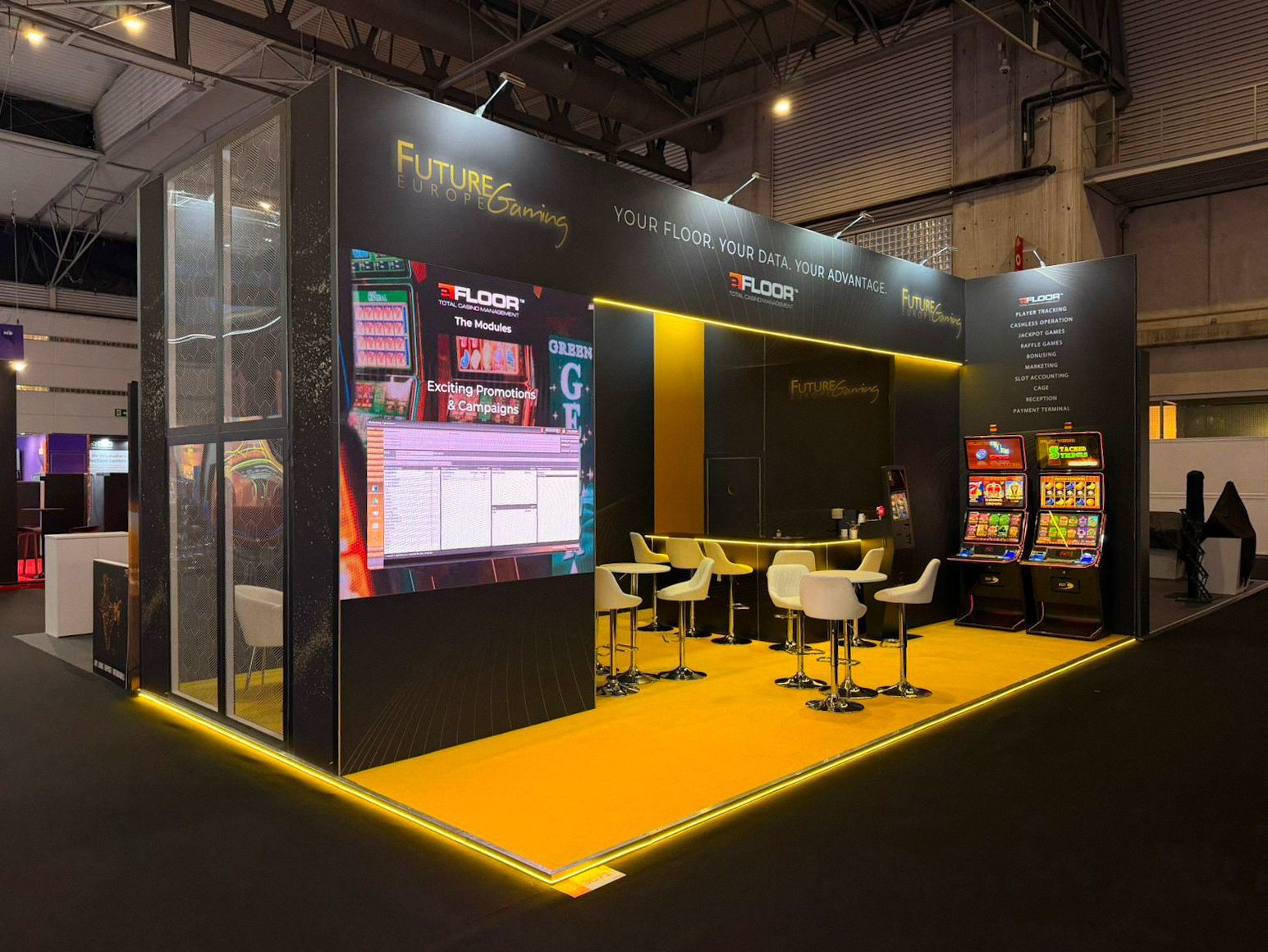
Technology hasn’t replaced exhibitions — it’s redefined them. From live-streamed demos to QR-based lead capture and AI-powered personalisation, digital tools enhance the physical experience when used with purpose.But technology should never become the show. A 3D screen or VR headset might attract a crowd, but if it doesn’t serve the story, it’s just noise. The goal isn’t to add tech for the sake of it — it’s to make human interaction smoother, smarter, and more memorable.
How to make exhibitions work now
If you’re planning your next event, rethink the old playbook. Focus on these five principles:1. Start with strategy, not square footage. Define what success looks like before you design your space.
2. Tell a story, don’t deliver a sales pitch. Build curiosity, connection, and clarity.
3. Design for flow and emotion. Think about how visitors move, feel, and engage.
4. Blend physical and digital.. Use tech to continue conversations beyond the booth.
5. Measure engagement, not just traffic. A smaller crowd that genuinely connects beats a large one that walks past.
The takeaway
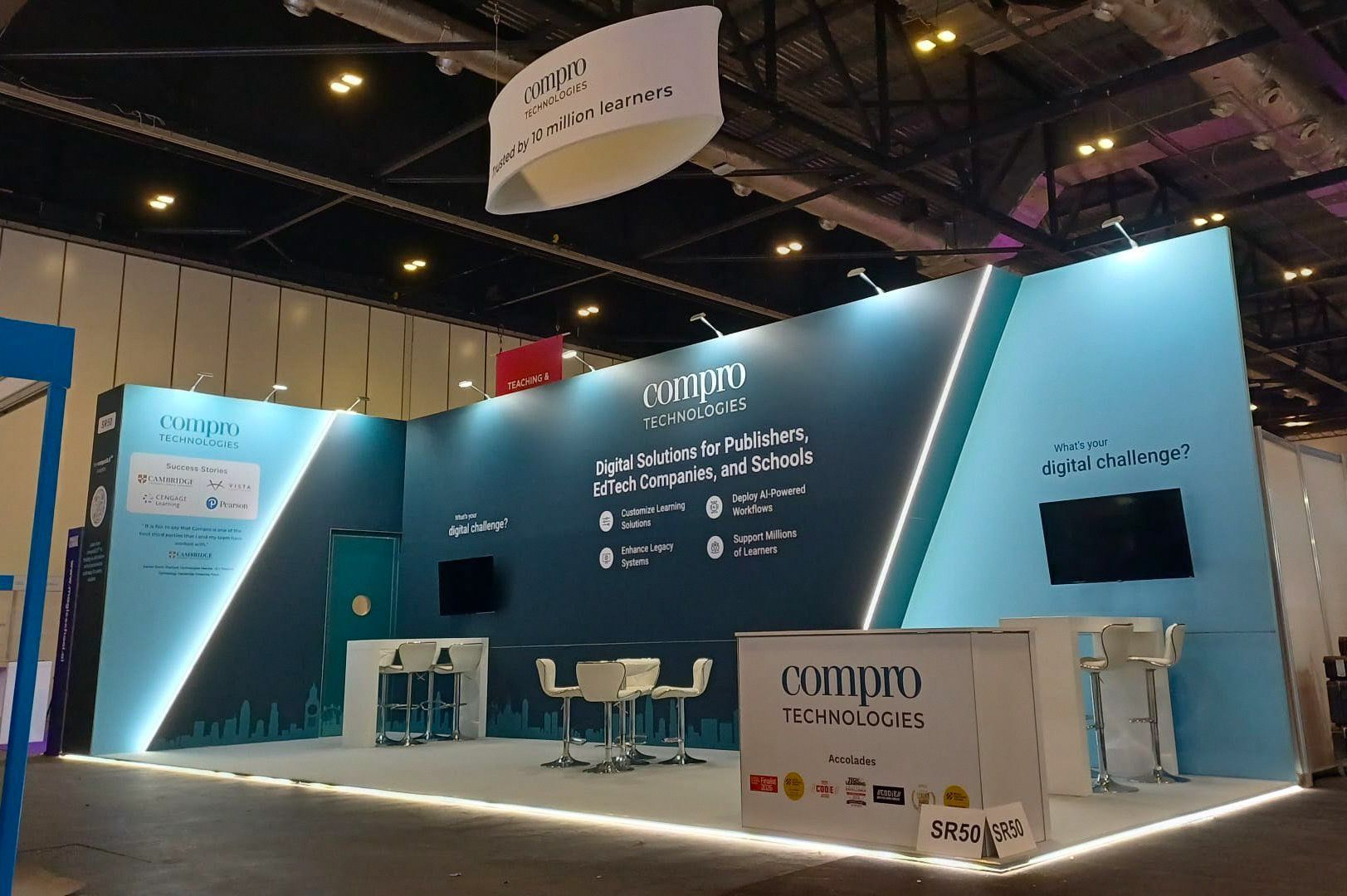
Exhibiting still delivers value but only if you adapt. What matters now isn’t who shouts loudest, but who creates the most authentic, memorable experiences.In a time when brands fight for attention online, showing up in person isn’t old-fashioned — it’s bold. Done right, exhibitions remain one of the most powerful tools for building trust, community, and long-term business growth.
At ExpoCart, we believe exhibitions work best when they’re designed around people — not just space.