1. Pause, Breathe - Prioritise What Really Matters
When you’re under time pressure, it’s easy to confuse busy work with impact work. A simple way to regain control is to break tasks down into three groups:- Critical - Tasks that must be completed before build day (e.g. final AV content, power and service orders)
- Important - Tasks that should be done if time allows (e.g. staffing briefings)
- Nice-to-have - Tasks that can wait or be simplified or left completely if time runs out (e.g.,extra brochures)
2. Make Your Stand Easy to Build — Choose Modular or Simple Systems
When deadlines are tight, choose stand elements that are easy to assemble, adaptable and predictable.What works best:
- Modular systems - fast to assemble and adaptable
- Semi-modular builds - give you some custom look with predictable install times
- Avoid overly bespoke joinery unless absolutely necessary
- Assemble faster than fully bespoke builds
- Are simpler for contractors to install under pressure
- Allow quicker reconfiguration if changes arise
- Tend to be more cost-effective in labour time and logistics
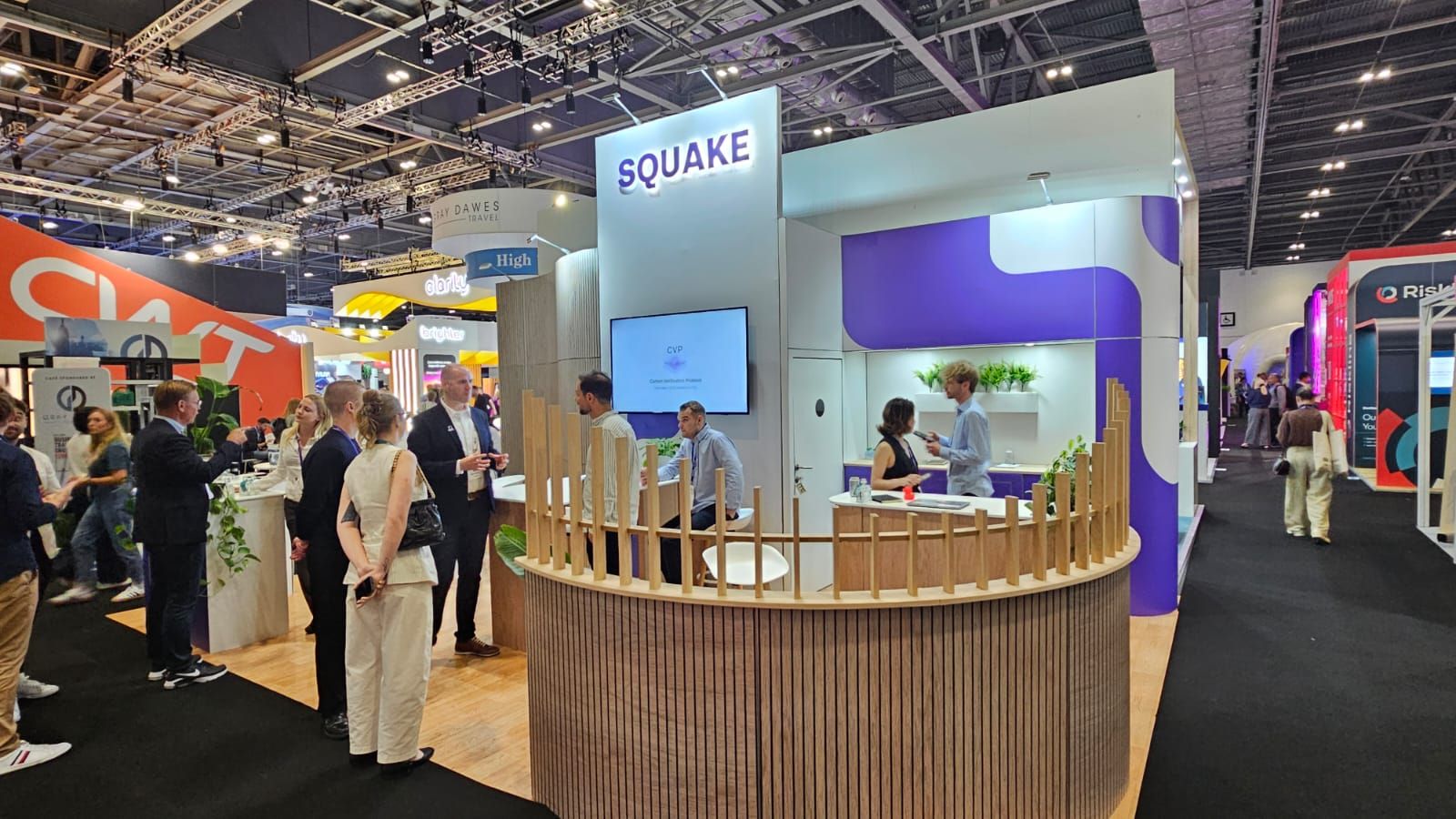
3. Get AV Content Ready and Tested Early (Ideally before deadlines)
One of the most common quality issues on exhibition stands comes from AV content problems - screens not playing, wrong resolutions, silent videos or looping errors. To avoid this:- Finalise all AV media early- don’t leave this until the night before stand build.
- Send the files to your stand partner ahead of time before final deadline.
- Ask them to test playback on the actual screens you’ll be using and confirm it works
4. Triple-Check All Artwork Before Sign-Off
Graphics and signage are front-and-centre on your stand. Mistakes here are very visible and expensive to correct once printed or installed. Before sending artwork for print and installation:- Check for typos and messaging accuracy
- Ensure font sizes are legible from a distance
- Confirm spacing around screens, displays, products and furniture
- Confirm that branding elements (logos, colours, taglines) are consistent
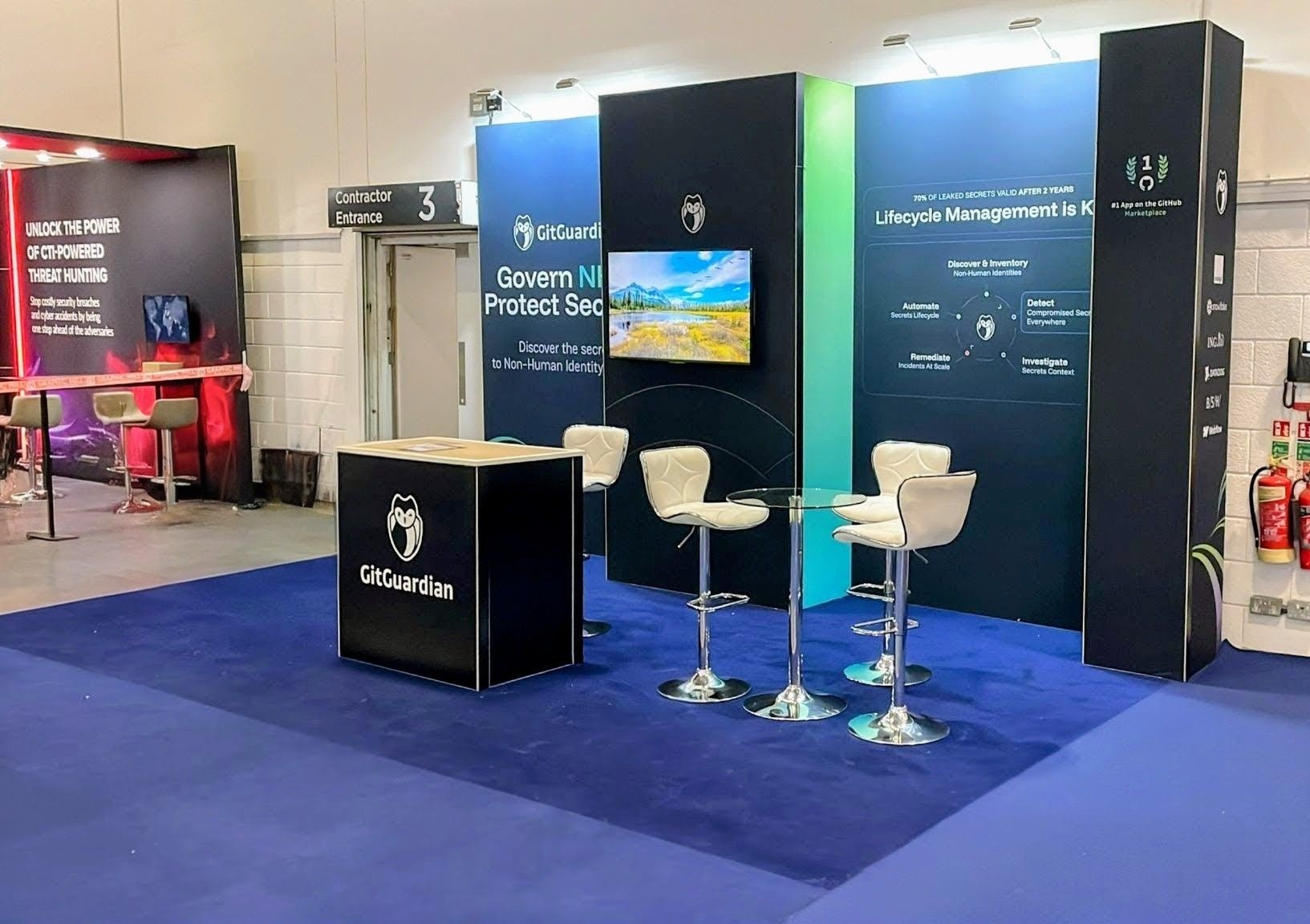
5. Assign Clear Roles - Avoid “Too Many Cooks”
When a deadline is looming, confusion is your enemy. Too many decision-makers slow progress and create mixed directions, resulting in inconsistent changes or delays. To keep decisions clear and fast:- Appoint one decision owner for design, artwork and quality approvals
- Assign a logistics coordinator for deliveries, organiser services and build windows - choose a person to do the stand handover with your stand builder. They need to take the lead and ownership on this aspect.
- Designate a tech/AV lead for screens, media and connectivity checks
Communication tip: Set a daily briefing call or group chat so everyone stays informed without duplication or conflicting instructions.
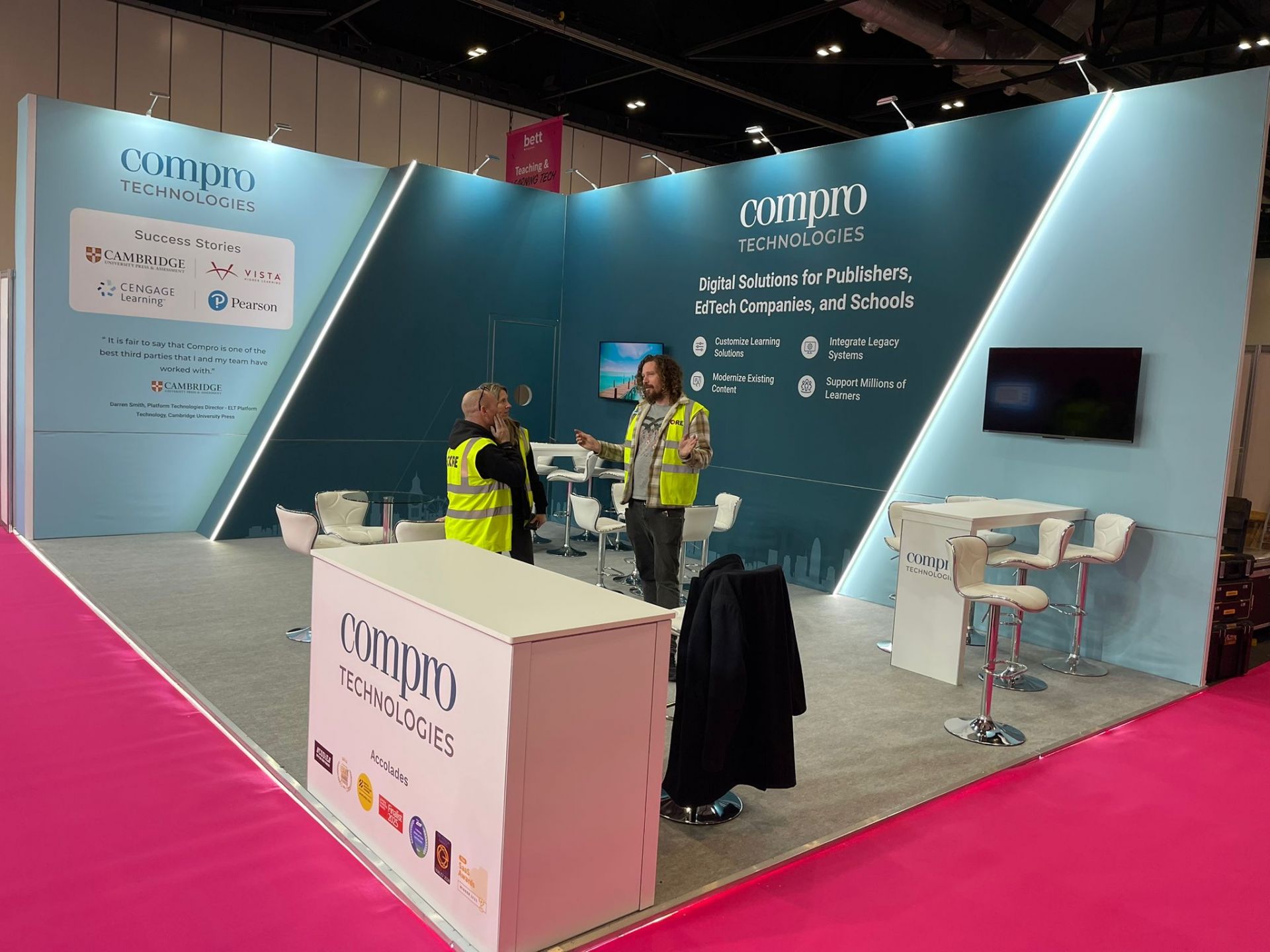
Stand Handover - Inspect With Your Builder
Also, when your stand partner completes the build, *don’t assume everything is right*. Walk the stand with them, inspect the details, and ask them to fix issues before the show opens. Once visitors are inside, most organisers restrict contractor access, making fixes harder and more disruptive!6. Think Through Visitor Experience Essentials
Some decisions feel small but have a big impact on how your stand performs:Seating
Provide enough seating if your goals involve demos, meetings or consultations. Comfortable seating encourages visitors to stay longer and engage more deeply.Storage
Plan hidden storage for giveaway stock, literature, demo items, staff belongings or extra materials. A tidy stand feels more professional and keeps the public areas clear.Power Positioning
Confirm where power outlets and connections are located so they serve your screens, lights, demo stations and charging points. Misplaced power can lead to extension cables on the floor and create hazards or visual clutter.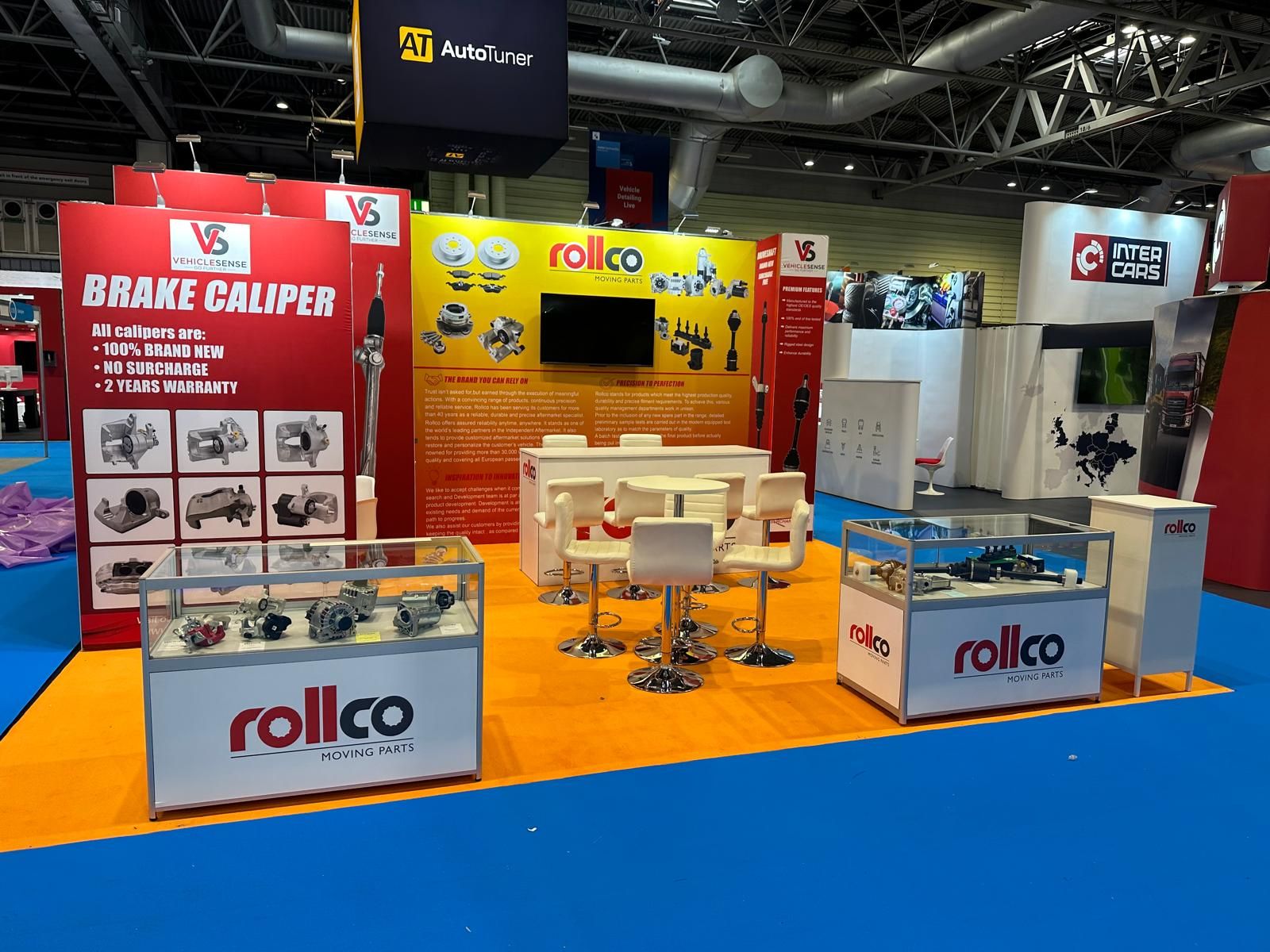
7. Triple-Check Organiser Service Orders
Order forms from show organisers can be tricky and missed items cost you quality or functionality. Before finalising your plans:- Confirm you’ve ordered the correct power setup
- Book rigging points for overhead signage if needed
- Order internet, data or AV circuits where required
- Verify shell scheme requirements (name panels, lights, etc.)
8. Pack an On-Site “Emergency Kit”
No matter how well you plan, small issues happen on build or show days and having supplies on hand means you can fix them quickly: Pack items such as:- Screwdrivers, pliers and tape
- Fasteners, clips and zip ties
- Cleaning spray and cloths
- Basic first-aid items
- USBs, Chargers and powerbanks
- Extra business cards and forms
- Pens, sticky notes and small stationery
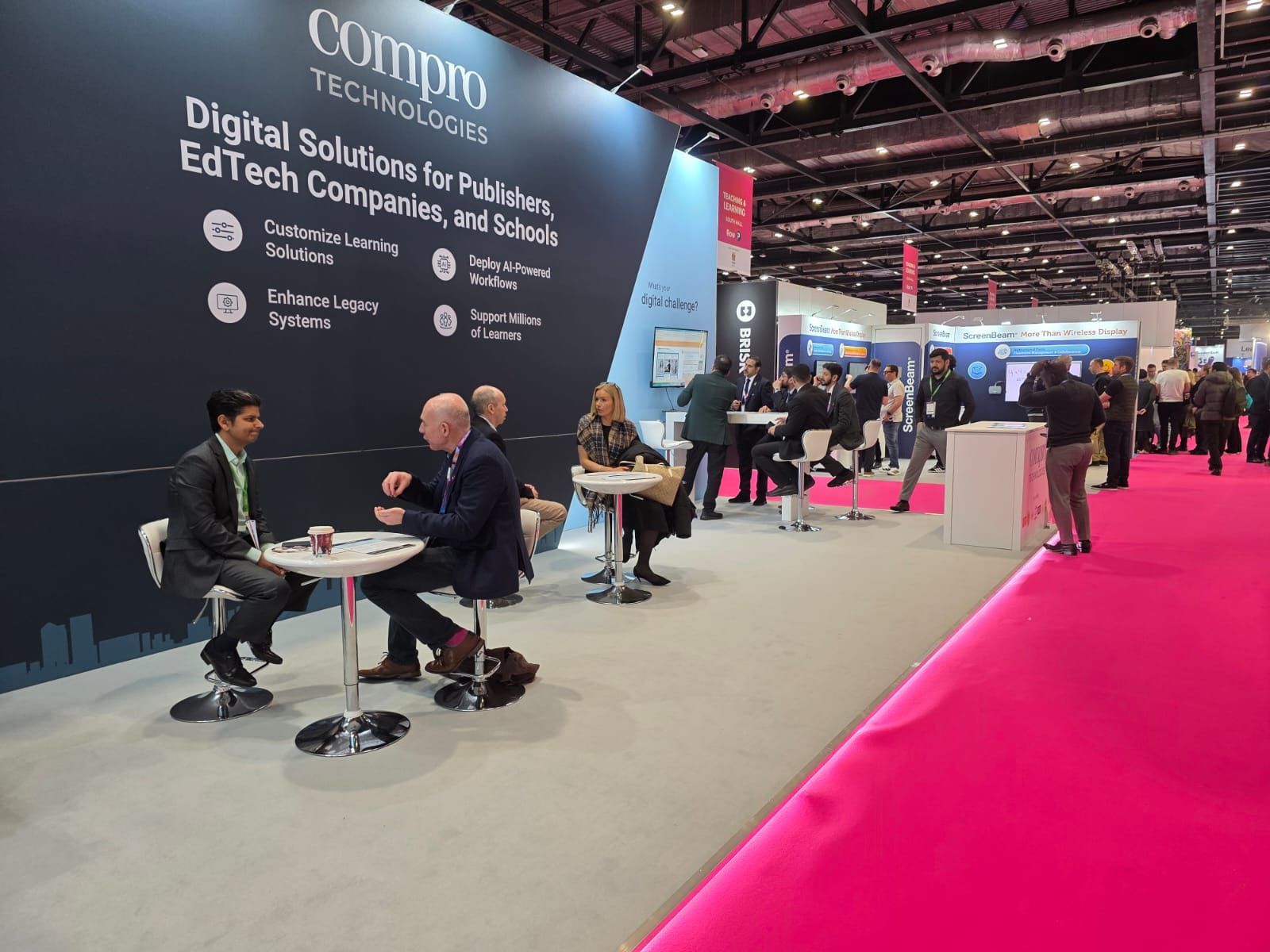
9. Test the Stand Before Doors Open - With Your Builder Present
Once the stand is assembled, treat it like a rehearsal:- Check lighting and overall ambience
- Test AV playback and tech connections
- Review graphic alignment and readability
- Confirm furniture placement and comfort
- Verify power access and cable safety
10. Debrief After the Show - Capture Lessons Learned
When the exhibition ends and the stand comes down, take time to reflect:- What worked well?
- What caused delays or confusion?
- Where did quality hold or slip?
- What changes will you make next time?
Tight deadlines don’t have to equate to compromised quality. With smart design choices, early testing (especially for AV and artwork), clear roles and communication, thoughtful visitor experience planning, and thorough checks before doors open, you can hit deadlines without sacrificing how your stand looks or performs. Preparation + purposeful execution = success — even under pressure.